
Conferences
Conference Speaker Sydney: Why The Warm-Up Act Comes First
The most expensive minutes on any conference program are the first ten. Most producers spend them on housekeeping.

- Published
- Reading time
- 6 min
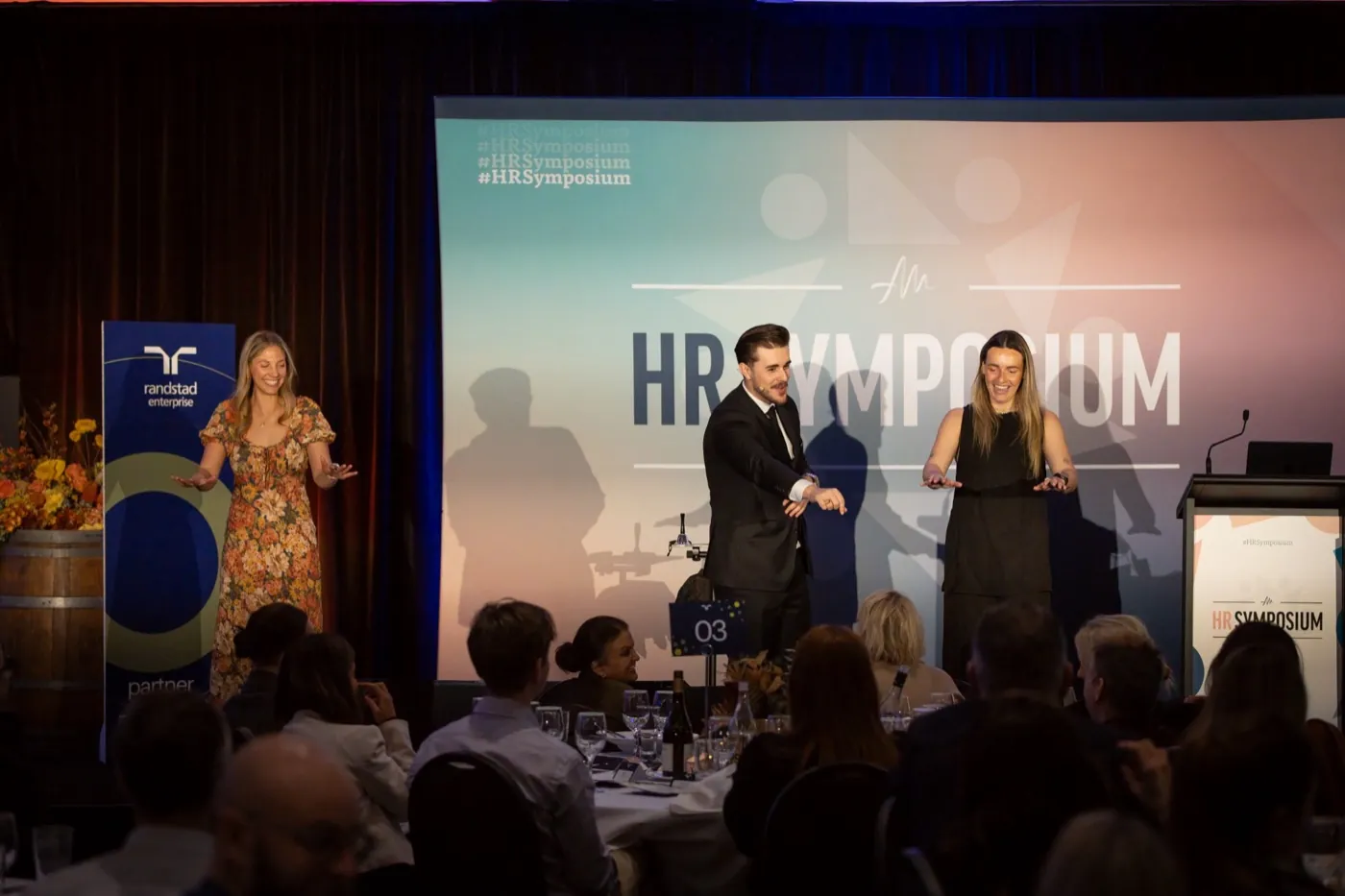
Picture the opening plenary. Eight hundred delegates, coffee in hand, laptops half open. Some are still answering the email that arrived in the taxi. Some are mentally on the train home. The emcee runs through Wi-Fi passwords and fire exits, then introduces the keynote you've spent months securing.
And your keynote spends the first eight minutes of their slot doing something they shouldn't have to do: winning the room back.
There's a way of solving that problem before it starts. The solution isn't louder music or a hype video. It's fifteen minutes of something nobody in the room can explain.
The Problem With Cold Rooms
Delegate attention tends to dip at three points in any conference agenda: the opening of day one, the session straight after lunch, and the opening of day two. They also happen to be where programs place their biggest names.
Every conference speaker in Sydney knows the feeling. The first few minutes are spent earning permission to be listened to. A strong business keynote speaker will get there, but those minutes come straight out of the content you paid for.
What A Corporate Keynote Warm-Up Act Actually Does
A corporate keynote warm-up act isn't a hype man and it isn't a comedian. Done properly, it's a short demonstration that changes how the room is paying attention.
It Makes The Room Look Up
When a mentalist names a word a delegate has only thought of, every phone in the room goes face down. Attention isn't requested. It's taken.
It Creates A Shared Reference Point
Everyone in the room just saw the same impossible thing. That gives the keynote a moment to call back to, and gives delegates something to discuss at the next break.
It Hands Over A Warm Room
The keynote walks out to an audience that's leaning forward rather than sitting back. The handover is the whole point.
Why Mentalism Rather Than Comedy Or Music
Comedy is a gamble with a corporate audience. One misjudged line and the room is thinking about HR instead of your keynote. Music lifts energy, but it's passive, and passive is what you're trying to fix.
Mentalism sits in a rare middle ground. It's intelligent, participatory and sharp, and it naturally connects to the themes most corporate speakers in Australia cover anyway: perception, decision-making, influence, attention and trust. A warm-up that demonstrates how easily the mind can be read sets up a keynote on leadership or communication better than any introduction.
It also helps that the performer understands rooms. Cameron spent years as a uniformed and plain-clothes police officer, where reading a crowd quickly wasn't a skill, it was the job. The stage show grew out of that.
Where It Fits On The Conference Agenda
The opening act doesn't always belong at 9am. The best placements are where delegate attention drops:
- Opening plenary session: After the emcee's welcome, before the first keynote.
- The post-lunch slot: The hardest twenty minutes on any agenda.
- Day two opening: When the room arrives tired from last night's dinner.
- Sales kickoff: Where energy and competitiveness set the tone for the year.
- Leadership offsite: A smaller, more conversational version that sparks discussion rather than applause.
Breakout sessions rarely need it. Their audiences chose to be there.
Briefing It Properly
A warm-up works when it's built into the run sheet rather than bolted on. Four things to cover in the speaker brief:
- The keynote's theme. The warm-up should set up the main act, not compete with it.
- The handover line. Agree exactly how the stage passes from one to the other, including who introduces whom.
- AV requirements. A lapel or handheld microphone, clear access from the floor to the stage for two or three volunteers, and house lights partly up so the performer can see the room.
- Hard stage time. Fifteen to twenty minutes, and it ends on time. Good warm-ups are disciplined about stage time because they know the program runs to the minute.
What It Means For Your Budget
Keynote speaker fees for a headline name represent one of the largest single lines in a conference budget. A warm-up act is a fraction of that, and its entire purpose is to make sure the bigger investment lands. If you're building a speaker line-up and want the numbers in context, here's a straightforward guide to Sydney keynote speaker costs.
When The Warm-Up Is Also The Keynote
Some programs go one step further and book Cameron as a corporate keynote speaker in his own right. The session moves from demonstration into what policing taught him about reading people, attention and influence, with the demonstrations woven through the content rather than placed in front of it. You can read more about Cameron's background or see what the live show looks like.
What Conference Producers Get With Me
Producers rarely need convincing that the opening room is cold. What they need is confidence that the person they put in front of it won't make things worse.
That's where my background matters. A warm-up delivered by a former uniformed and plain-clothes police officer carries a credibility that a comedian or hype act can't. Business audiences respect precision, and the demonstrations are precise. Delegates don't just watch. They start paying attention to how they're paying attention, which is the best possible state for your keynote to inherit.
What To Expect
- Stage time to the minute. Built to your program, with a hard finish that's honoured.
- A set that serves the headliner. Shaped around the keynote's theme, with the handover agreed in advance.
- Minimal AV. A lapel or handheld microphone and a basic stage.
- Delegates who look good. Volunteers are chosen with care and never made the joke.
- Any room size. From a leadership offsite of 20 to a plenary of 800 or more.
- A talking point that outlasts the session. Morning tea starts with the same question: “How did he know that?”
ServiceNow, Miro and Cochlear are among the organisations that have put me in front of their people.
FAQs
How long should a conference opening act be?
Fifteen to twenty minutes. Long enough to change the room, short enough that it never eats into the keynote.
Does a warm-up act need special AV?
No. A microphone, a basic stage and stairs or a ramp for volunteers is enough.
Will a mentalist embarrass delegates?
No. Volunteers are chosen carefully and made to look good. The goal is a room on side, not a room on edge.
Can the warm-up be tailored to the conference theme?
Yes. The strongest warm-ups are built around the keynote's subject and the organisation's language.
Build A Program That Starts Strong
If you're assembling a conference program in Sydney and want the room ready before your headliner walks out, see how Cameron works with corporate events, or compare options in this guide to the best entertainment for corporate events in Sydney. Cameron replies within one business day with availability and pricing.
About the author
More about Cameron